Navigating life’s intricate fabric, choices unfold paths to the extraordinary, demanding creativity, curiosity, and courage for a truly fulfilling journey.

Tag: radiation treatment

  • 7 OTC Items That Help During Head and Neck Radiation Therapy

    7 OTC Items That Help During Head and Neck Radiation Therapy

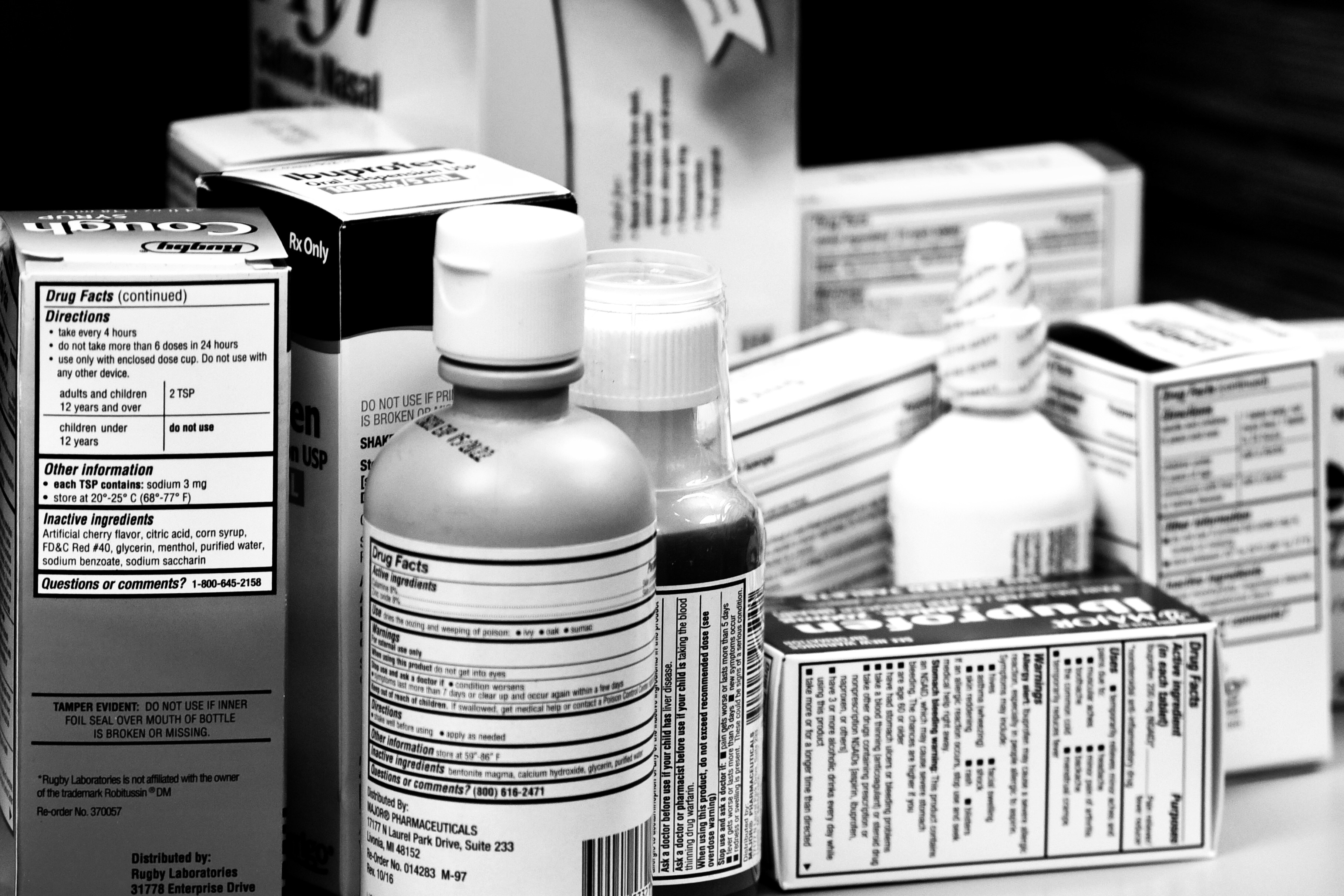
    Along the way, through my 30 radiation treatments, I gathered a few tips and tricks that helped to ease or lessen some of the side effects and symptoms that come with head and neck cancer treatments. This list includes my top 7 items that tend to help during head and neck radiation therapy that you can buy OTC (over the counter) at your local drug store:

    Lemon Drops

    At some point you will likely lose your sense of taste. It’s an unpleasant and unfortunate experience but it seems to be one of the more common ones. There’s a certain taste that lingers in your mouth that almost makes you a bit nauseous and it’s hard to find something that gets rid of it, even brushing your teeth a zillion times. My gut instinct when this started happening to me was to throw a piece of mint gum in my mouth, which had usually helped when I otherwise had a bad taste in my mouth. This situation couldn’t be that different, right?…Boy, was I wrong. While I didn’t have visible damage from radiation in my mouth yet, chewing gum burned my tongue and gums something serious. So I went on a search for an alternative…lemon drops. Sweet things were hard for me too, so I was honestly a bit skeptical of this one, but surprisingly, it helped cut the trash-like taste from my mouth and actually got some saliva floating around in there too. That’s a win/win.

    Guaifenesin

    This one’s marketed as an expectorant, but it also has some secret powers when it comes to thick saliva. Rope-like saliva is another lovely side effect of H&N radiation therapy and when your saliva is less than normal and then it starts to thicken, swallowing and eating become more annoying and much harder. Taking a daily recommended dose of over the counter plain guaifenesin did wonders to think out my saliva, just like it promises to do with mucus when you’re sick.

    Bonus: Depending on what season your treatments fall into, you might need some extra help with mucus and seasonal snot as well. Boom…thinner saliva AND thinner mucus.

    Dramamine

    I’m not sure if dizziness and nausea is on the treatment side effect list, but between the yucky taste in my mouth, the thick saliva, the crustiness in my ear canal, and general grossness of it all, I was feeling a little green by week 2 or 3. Taking a dramamine every so often during the day decreased this symptom dramatically for me and kept me feeling somewhat grounded and slightly less nauseous, which was enough to convince me to keep a full supply on hand.

    Aquaphor

    Moisture is SO important for your skin during this time for comfort as well as for healing, so this ultimate healing ointment is yet another one you’ll want to keep stocked up. Aquaphor is fragrance free and generally soothing so it won’t irritate your already irritated skin more, and it wont burn like regular lotion or some of the other products out there might. It’s also a skin protectant so it keeps moisture in and bad things out (to an extent).

    There are plenty of options out there to use as moisturizers during treatment, so as with most things, it’s up to you but Aquaphor is a great one. Doubles as a great chapstick too!

    Gauze

    Every night before I went to sleep, I wrapped my head and my neck up in gauze. Sounds glamorous, right? It’s not, but it did keep my skin protected from the elements and the flopping around in the bed that I unsuccessfully tried to prevent with a pillow fort. The mornings are never fun in this type of situation as it is. You’re stiff, crusty, probably still tired, and your head feels like it’s going to break off with every slight movement of your neck, but the gauze keeps it moist and keeps it from drying out too much while you’re lying still. Let’s just say it makes sleeping 90% more ridiculous looking, but makes mornings 50% better as far as comfort goes.

    Q-tips

    No, not for your ears! Q-tips for your skin. When you get to the point where your skin is sloughing off and it’s incredibly painful, q-tips were a big help for me. When I unwrapped my neck each morning and peeled the gauze away from my skin, there was always some residue of clumped up skin that had naturally come off overnight. As with most wounds, cleanliness is important but soap burns like you know what, so what can you do? I would wet the ends of a q-tip with cold water and very carefully (VERY CAREFULLY) removed the chunky parts so the fresh skin was left. Now, I do not recommend any scraping or scrubbing or anything even close to that. But using something with a mostly soft end to it can be a lifesaver on those rough mornings.
  • Treatment’s Over…What now?

    Treatment’s Over…What now?

    This period, often called “the lull” is BY FAR the hardest period of time you will experience in comparison to all the others. It’s the time immediately following treatment, and for most, it’s the first time that you are without any kind of active treatment. From the outside perspective, this time would seem to feel the best and provide some much needed relief. You’re finally free from being zapped every day and/or having poison pumped through your veins, but freedom is unfortunately not really the reality that comes with this period of time.

    I remember just one short week after my last fraction of radiation, I was gently massaging my skin and neck while sitting at my desk and thought I felt a hard spot around where Glanda used to be. So I set off to find Dr. Spencer in the hallway as soon as I could to ask her to do a quick feel to make sure I wasn’t losing my mind. (Perks of working in the department that treated you I guess). Turns out, I wasn’t wrong. There was absolutely palpable hardness, but it wasn’t disease. It was simply induration, or stiffness caused by scar tissue and all the radiation I had just received, something that’s super normal after everything that side of my head had been through.

    No active treatment to a cancer patient means thoughts of heightened risk for the potential new growth or recurrence. It means fixating on the fact that essentially nothing is being done to kill your cancer anymore (if any still remains) and that’s some scary junk. To add to that, there’s a good chance you’re emotionally and mentally SPENT right after treatment so fending off these thoughts is hard and taxing on your body and spirit.

    Since treatment, I’ve learned to poke around on things a little less. I still massage and stretch my neck like a good little patient, but I try to do it mindlessly and focus my thoughts on how far I’ve come in my healing and ability rather than what every little thing I’m feeling is or might be.

    But what can you do as you tread the waters of this weird stage of the journey? Well, what you can’t do is go back into treatment (and we all know that’s not actually what we want) but there are a few “normal” things you can do that I believe help. But honestly recognizing this season for what it is, is half the battle.

    Eat

    Don’t roll your eyes at me! I know this sounds dumb and like an obvious answer to…well, life. But treatment takes a lot out of you, including your appetite, your taste, and in some cases your ability to eat. So the time after treatment is a great time to start working on building your strength back. Start back eating if you can (or continue to eat) foods that are rich in protein. Those are the foods that re-build healthy cells and will fill you up the most. It’s also essential to find foods that taste good to you and eat a lot of those to build your caloric intake back up until you get closer to more of where you used to be. Most importantly, remember this isn’t going to happen overnight. It’s a marathon rather than a sprint.

    Rest

    Sleep, like protein, restores your body and gives it the time it needs to repair itself from the damage that was caused during your treatment. While not everything will heal up perfectly and return to what it used to be, sleep is still extra important because our bodies do have amazing healing ability and giving your body what it needs aids in your overall wellbeing and quality of life. So this is the time to sleep, take a nap, relax on the couch, sleep some more, dream about your favorite things, take another nap, watch a movie, nap again, and then finally go to bed to prepare for the next day. And besides, sleep is probably all you’ll feel like doing for a while anyway. So why not take advantage of a good rainy day, a few good movies, and all the zzzz’s.

    Take a walk

    Around about a week or two post-treatment, it’s important to make sure you’re spending a bit of time during the day moving around and gaining some muscular strength back as well. I know I just suggested a lot of sleep, but there’s a balance in there somewhere. You don’t want your muscles to atrophy too much if you’re able to get up and move around, but you also don’t want to overdo it too soon. Maybe this means moving from the bed to the couch a few times a day. Maybe it means getting up and getting a shower. Or maybe it means going for a walk or running a few errands around town. Just take it easy and do what you feel like doing. Movement is also an excellent idea if you are at risk for lymphedema (swelling because of the buildup of lymphatic fluid). It really depends on the person and the severity of treatment side effects, but the sooner you get back to doing more normal things, the more normal you might start to feel overall.

    Reflect

    I’m not sure how this will resonate with everyone else, but working to accept and understand what I’ve been through proved to be very healthy for me. This doesn’t mean I figured out the “why,” though. Cancer doesn’t give a reason when it arrives. It just shows up, so save yourself some trouble and forget every trying to find the why. (I wish someone had told me sooner). When I suggest trying to understand what you’ve been through, I mean understand that what you’re going through is a necessary byproduct of something you have no control over and that’s ok. 

    Writing my experiences down, talking to someone I trust, or just quietly pondering things all healed me bit by bit but as always, it’s crucial you keep your thoughts in check and not let them get out of hand. The truth of the matter is, what happened happened and it must be processed. There will inevitably be some pretty dark days following treatment and throughout this journey overall, and everyone will manage those differently. But don’t just step foot out of the treatment room and forget where you came from. Your journey wasn’t for nothing and you’ve made it! That’s a really big deal!

    Overall, the goal post-treatment is relatively simple, however not simple to do. Find some sort of normalcy and routine. Now, I 100% understand that’s a bit of a joke because NOTHING feels normal after treatment. Nothing. But set some version of normal as your goal and go after it day by day. Before you know it, you will be looking back at the post-treatment days admiring how far you’ve come and you might even recognize a few pieces of normal in there too.

  • Cancer is Confusing

    Cancer is Confusing

    There are things about cancer that only cancer patients comprehend and fully understand. And because of that, there are things about cancer that us surviviors wish you knew.

    Cancer is something I felt to the aboslute depths of my bones and it has recently become somewhat of a distant memory for me. If I’m honest with myself, I’ve intentionally blocked a lot of it out, and I truly never, ever thought I might feel a certain way about cancer being a distant memory. But I’ve found myself almost longing to understand why and what it is exactly that cancer has done to me as a wife, friend, daughter, and sister and I’m desperate to maintain the intensity of life and love it stirred up in my soul.

    The further I move away from my cancer journey and that special hell I survived, it has started to seem less real at times. That’s a good thing right? Ehhh kind of. I don’t EVER want to relive what I went through. Ever. But I also don’t want to forget what it felt like, what it taught me, and the depths of emotion and compassion that I’ve found for those facing the same thing.

    Most of the time I feel like I walked away from cancer with a fierce passion for living and understanding people and what makes them who they are. I’ve mended bridges with people I never dreamed to before cancer and these days, I tend to say things that I might not have said before cancer, both good, bad, and somewhat inappropriate and I’m good with that. Other times I feel like I lost parts of me that people relied on as steady constants and parts that helped them feel secure about my life on earth, and I don’t like it.

    In processing where I stand in my journey now that the get-well, healing phase is pretty much over, there are bits of my heart that need sharing. Parts that have frustrated me, parts that have satisfied me, and parts that I just need you to try and understand. The things I wish I could look you all in the eyes and say.

    So, here goes…

    • I’m still the same Valerie

    Acceptance is something I struggle with a good bit (just ask my husband how many conversations we’ve had on that topic), and this phase of the journey has been particularly hard for me. Whether it’s how many page views I get on this blog, how many people actually care to read what I write, how many followers I have on my related social media accounts, or how many people have chosen to take themselves out of my life for whatever reason, I’ve realized that people view you different during/after diagnosis than before when you were “normal.”

    Yesterday evening, I attended UAB’s Head and Neck Survivor Support group we put on every other month. Pastor Malcolm Marler from pastoral care was the featured guest and one of the questions he asked us about acceptance and what that meant to us. Several of the other survivors spoke about what it took for them to find acceptance of the journey they’re on, but for me (being the youngest in the room by a longshot) the question struck me as more about the acceptance I feel from people now that I’m a “survivor.”

    It’s true that I’ve found that some people are less understanding and accepting when it comes to seeing their friends in a different state than they’re used to seeing them in (and I’m not saying this is a conscious thought). It’s a situation that potentially makes them realize their own mortality, which was one of the hardest parts for me. At some point in all of our lives we will pass away. It’s a natural part of life but if you’re anything like me, I was happy assuming that I was going to live to be 80+ and just die of old age someday. And that’s still a pretty real possibility by the way. I indeed had cancer in my body, but that doesn’t mean I’m stepping foot into heaven any faster than anyone else. I’m still the same ole goofy, sarcastic, and ridiculous Valerie. I just had a different, slightly scarier detour to traverse than some.

    • I didn’t choose this journey (and God didn’t either)

    The more I learn about cancer and the perceptions that people have about it (general public as well as medical professionals) the more I want to wear a sign pimped out with flashing lights and my entire diagnosis and heart on it.

    Someone once told me to “never try and understand cancer. It’s impossible.” And I still think those are wise words, but everyone tries. The instinct when a diagnosis comes is to figure out why and what you could have done to prevent it. I wanted to Google everything and figure out what my chances were and what might be coming, but Google simply isn’t God and doesn’t know (and thankfully my husband stopped me). Google is for sure a useful tool, but it’s one packed full of information and very little knowledge. It especially doesn’t know about my particular case, so I quickly learned that fighting my instincts and ditching the need for a “why” and relying on prayer and the plan that the Lord has for me, is a far better use of brain power.

    There are a few things I do understand though. First of all, the Lord didn’t plan cancer for me, but it was never a surprise to Him. Was I mad at Him for a while that I had to go through it? A million times yes, but I Would. Not. Have. Made. It without His provision, His love when I was unlovable, and His absolute strength and mercy on my heart.

    Secondly, I have strong feelings in my heart that this journey was given to me to bless others in some way that may be facing similar paths or others that have already been through cancer and haven’t dealth with the emotional side of it all yet. It’s why I continue to write words that may or may not be read. And it’s why I try my best to provide perspective and relateable words.

    Lastly, my cancer wasn’t caused by anything specific. I don’t have HPV (human papillomavirus), I’ve never smoked, I’ve never been drunk (however I do enjoy a drink on occasion), and I live an extraordinarily lame life to be honest. It’s true I have a genetic mutation in my gene line, but there’s no solid proof that caused anything either. What’s the cause really matter anyway? The fact I had to go through it wouldn’t have miraculously disappeared just because I figured out why.

    • I don’t need you to feel sorry for me. I need your compassion.

    It is, indeed, saddening and often devasting when someone we know and love is diagnosed with cancer. There are moments in those times to cry, to mourn certain things (not necessarily the person), and times to lend a hand or heart and let them know you’re there for them and you care. Those needs are real and crucial. Alone is not a place you want to be through cancer.

    When someone earns the title survivor after patient, the journey doesn’t end. They may have fewer doctors appointments, look healthier (or even like nothing happened), but fear of recurrence will always be real and scars and various other reminders will always be there to remind us that life got really scary at one point. This is why I will unapologetically tell you to ask how your friends and family are doing and not be scared of the hard answer they might give you.

    Ask them about the hard times. Ask them about the ways life is still hard or what’s scary about the future still. There are plenty of people that won’t want to talk but it’s actually kind of therapeutic to talk about it. Most of all, just be a friend and listen. No one expects you to have answers or wisdom about whatever they tell you. They likely just need that feeling of understanding and acceptance…simple compassion.

    So, cancer is confusing. Some days are still hard, even if it’s less than it used to be. Be a friend. Give grace. And be open.

    Onward and upward.

  • Radiation Treatment: Who’s on your care team?

    Radiation Treatment: Who’s on your care team?

    It’s not surprising that a lot goes on behind the scenes of radiation therapy, and it’s definitely not surprising to you that there are many different people that have a hand in your care. With all the people that you see during your visits, there are just as many behind the scenes folks that have a role in what will happen from consult to continued follow-ups.

    PLANNING TEAM

    Dosimetrists

    Dosimetrists are some of the first people to look at your case after your pathologist and doctor. These are the people that are eyeballs deep in graphs, formulas, and scans making sure that your treatment is planned correctly so that your treatment will target the most effective areas. Dosimetrists carefully calculate the dose of radiation you will receive and the daily machine settings/parameters.

    Once they finish their work on your case, they pass the plan back to your radiation oncologist for their approval, and then your plan is ready to be put into action.

    Radiation Physicists

    It may sound strange for a physicist to be a part of your radiation oncology team, but they serve a very important role in the precision and accuracy of your treatment. Our physicists keep our radiation treatment machines properly calibrated each and every day by taking precise measurements of the radiation equipment output. They also ensure that the machines are delivering the precise dose of radiation during each and every treatment which is particularly important for patients that undergo daily radiation treatment.

    TREATMENT TEAM

    Certified Medical Assistants (CMAs)

    CMAs are not a part of every care team but larger facilities tend to have someone in this role to help with patient flow. CMAs are the people on your care team that may perform duties similar to a nurse. They might take your vitals, ask you a variety of questions regarding your current and recent status, and get your ready to see the doctor.

    Nurses

    Your radiation therapy nurse is a registered nurse whose main job is to implement the plan of care your radiation oncologist has prescribed for you. Your nurse will be the one to administer medications and monitor any possible side effects or adverse reactions that you may experience during or after radiation treatment.

    Radiation Therapists

    You will see your radiation therapist every single day of your treatment. Your therapist will walk you to your treatment machine, get you setup in place, and make sure you are comfortable before leaving the room. But where are they going?

    While you are on the treatment table, your radiation therapists are stationed nearby so they can monitor you and operate the machines. In many cases, they are taking quick images of your placement to make sure you are in the correct position so that the radiation will hit the correct spot, and they are also controlling the radiation. If anything were to happen mid-treatment, they can/will stop the machine and get to you as quickly as they can to make sure everything is ok. Once your treatment is complete, they will help you off the table and escort you back to the dressing/waiting areas.

    In my experience, these people are angels (but don’t tell anyone else I said that.) My therapist talked to me, checked on me, and went above and beyond what they had to do to make sure I had a decent experience in the midst of a mess.

    Radiation Oncologists (& Residents)

    Radiation Oncologists are crucial to your care. They are the medical minds that oversee every bit of your radiation oncology care. They review your pathology, pinpoint the exact location(s) of the tumor or lesions on various scans, plan your dose of radiation and how many treatments you will have, manage your symptoms throughout your treatment, and do their best to ensure you get the best treatment and care you can, whether that’s curative or palliative treatment.

    Your Radiation Oncologist should be skilled and very knowledgeable about the typical side effects, prognosis, standards of care, and research opportunities that might be available. They are the ones that you should direct your questions to at your visit, but it is important to understand that there are some questions that your doctor simply isn’t able to answer.

    At many facilities, residents are a part of the radiation oncology team as well. Residents may visit your room first and ask you questions during an exam or they may enter the exam room with your regular physician. Throughout their residency, residents are often times observing and absorbing as much information about each patient and the appropriate care as they can as they move closer to graduation. You also might notice that depending how much time passes between your visits, there may be a different resident present for your visit than before. Residents rotate doctors so that they have a wide variety of experience by the time they finish their residency.

    THE REST OF THE TEAM

    Research Study Coordinators

    Depending on whether or not your doctor recommends that you participate in a clinical trial, you may or may not interact with a study coordinator. These folks are the experts in the department on the clinical studies open in that practice, and will make sure each aspect of the study elements outside of standard of care treatment is taken care of. These will also be the people most likley to explain the study to you and call and check on you for follow-ups. These follow-ups may be in person at your regular visits or they may be a telephone call to see how you’re doing.

    Social Services

    Lastly, social workers are there specifically for you! Their purpose is to make sure you are taken care of and provide you with the tools to deal with emotional burdens you may experience and/or help with decision making strategies for your care. Social workers also typically have the ability to assist with more concrete needs including housing, transportation, finances, hopsice or home care, and other supportive resources.

  • Halfway to (more) Freedom

    Halfway to (more) Freedom

    Today marks 6 whole months since my final radiation treatment, and I woke up feeling all kinds of things.

    I always imagined that each and every milestone would bring indescribable joy and thankfulness for my healing and for life and just for the crazy blessings that have been bestowed on us during this time (because they are BIG), but Lord, I didn’t expect to feel a little sad and empty when I rolled off the bed to start my day. I never expected to feel like I hadn’t made it as far as I wanted to by this point.

    Please hear my heart when I say that I am not minimizing the blessing of my healing whatsoever. I’m immensely grateful. And I feel haunting guilt knowing that so many other survivors and current patients face far bigger giants and symptoms than my menial mishaps. But working in the midst of cancer care every day gives you a front row, VIP view of how cancer affects your life in some way for the rest of your life and that makes it tempting to get sucked into the “what ifs”. There are so many success stories around here and there are also stories that will scare the pants and the shirt off you. There are moments that are rewarding and moments that are terrifying. It’s encouraging and it’s exhausting. But it’s worth it to me…because I feel like it’s my purpose to share my journey with others and use my unique patient/employee experience to help patients travel their paths a little easier.

    Post-treatment life is just simply not what I expected. I’ve mistakenly thought of it like a long, drawn-out injury or infection, and assumed that as time went on things would heal and normal would be restored. But 6 months out, I have a right arm that can feel hot, cold, and deep sensation but not much else. I have left fingertips that are trying to jump on board with the right arm, and I have some stress-induced symptoms that have gripped my thoughts far too tightly.

    However, you can’t even tell I had surgery or radiation by looking at my skin, I have taste buds again, I’ve gained the weight back I lost, my hair is growing back, and my energy has returned for the most part. And that’s a BIG deal no matter what.

    So 6 months out, we’re celebrating! Throwing confetti around for healing, eating all the foods, going on a walk, and rejoicing in our Lord that He is good. He is always good!


  • Post-Radiation Life is…

    Post-Radiation Life is…

    Fill in the blank and that probably describes what it’s like on this side of things. It’s scary, it’s different, it’s confusing, it’s an adjustment, it’s a new normal, it’s freeing, and it’s a daily effort to keep my mind and heart focused on things that are good and worthy of my attention.

    I’ve realized recently that I’ve been so focused on my poetry (as I prepare to put together a collection this summer in a real life bound book with my name on it) that I have not written hardly enough about what life is like after treatment. Much like actual radiation treatment, you get a front seat to your body doing and experiencing things that you may never had witnessed if cancer had never walked into your life. For me, its numbness in my arm due to inflammation in between my C1 and C2 vertebrae (probably), but I also acknowledge that there are post-radiation changes that are much worse and more severe than my measly numb arm (that still works fine obviously).

    None of those experiences are to be minimized, but I’ve learned a few things that I wanted to share with you on how I’ve coped:

    1) Where the mind goes the man follows

    I can’t even begin to communicate how terribly important I’ve found this to be. December (2 months post treatment) was a particularly hard month for me and looking back my thought life was complete trash. I let fear and the “what if” game totally rule me and cripple me to the point that functioning like a normal human in society was hard some days. But I finally got myself together and snapped out of it.

    The Lord is intentional about telling his people to hold every thought captive. So when one of those scary thoughts popped into my mind, I would stop it, squash it, and replace it with truth. Picture your thoughts being trapped in a net or a bubble and releasing it into an open field far, far away. That’s how that goes for me. And that field is way too far away for those thought bubbles to ever make their way back to me, so bye. Replacing the nasty thought with something good, life-giving, and encouraging changes my perspective and at some point I start noticing fewer and fewer nasty thoughts showing up. And that’s a pretty sweet realization when it happens.

    2) Stay active

    Things that move, stay moving. There is some scientific principle about that somewhere, but the point is to keep your joints and muscles in good working order. Patients that have gone through some sort of surgery or treatment more than likely lost some strength and muscle tone during the process (unless you’re some kind of superhuman) but it’s important to keep exercising in some capacity. I lost 10 pounds during treatment and even 6 months post radiation, I still don’t have my strength back and I still have chicken legs but I’m working on it!

    So I go for walks, I do small strength-building exercises or stretches a few times a week, and eventually I’ll get back to dancing. But for now, I’ve learned to do something even if it’s small. Muscles that sit tend to atrophy and bodies that stay stagnant tend to lose motivation which actually nods at my previous point…thoughts. You (and only you) have control over those.

    3) Find normalcy again

    I know in some cases this sounds like a joke. I like to call it my new normal, which is the closest thing to what I considered normal before. Will it ever be exactly the same? Nope. But regardless of a cancer diagnosis, life was never (and should never) be the same as it was years, months, or days before. That’s how we learn and grow and evolve as people and in relationships. Change is good, but normal feels good.

    I’ve slowly modified ways to do the things I used to. K.T. and I intentionally talk about the things we used to, we try to dream as we used to, and we are striving towards our goals with persistence and maybe even moreso than before.

    When they first told me it was cancer, I couldn’t see further than the end of my nose into the future. Cancer equaled inevitable death for me. But spoiler, no one’s getting out of here alive so I’ve slowly, very slowly, come back to thinking about family, babies, long-term career goals, retirement, etc. Honestly, it’s more dangerous to get in a car and drive every day than it is to live with cancer on your medical record…and yes I recognize many factors play into that. Just go with it for now.

    4) Don’t be afraid to tell people how it really is/was

    A cancer diagnosis puts you in a unique group. It makes you see life differently and feel things to depths of the soul that I didn’t know existed at an earlier time in my life. Cancer also has given me purpose. I truly believe that cancer patients are part of a whole and potentially part of a solution. I assume that each person involved in my cancer care has learned something about cancer that will collectively bring the world closer to a cure…and that is absolutely fascinating to me.

    I also feel great responsibility to share my experiences with others and especially other survivors. No one can know if I don’t tell them and I’ve found that there are very few people involved in our care that have experienced cancer themselves so sharing my experience with them is valuable as well. They may have experienced it alongside a loved one, but it’s different.

    So I’ve vowed to myself to be honest and completely raw. And if you’ve read any of the posts from my 6 weeks of treatment or seen any of the pictures, you know I didn’t hold anything back. And considering writing was part of my emotional therapy, it doesn’t help anyone to sugarcoat things.

    5) Remembering I’m NOT defined by my cancer

    I recently wrote a poem about this very thing. I often feel like people see me as damaged now or as that girl that had cancer, or there’s just that awkward interaction where other people don’t know if they should say something or if I should say something just to cut the tension. I even apologize to my husband all the time for us going through what we have and that he married a cancer patient unknowingly (although Glanda was at our wedding too), so maybe I’ve done a terrible job with this one so far. But really and truly I know I’m still me and at the end of the day all I want is to be seen and enjoyed for who I am, my hilarious jokes/sarcasm, and for people to understand that I’m not going anywhere.

    Cancer is not my name and it’s not what makes up my life. Yes, it’s a detail of my life. I do have post radiation and post surgical changes that nag at me. I have scars (and hair loss)  that I face in the mirror every day that create insecurity, but those are blessings! Those are my badges of honor, my symbols of my survivorship, and reminders that I am way better off than I was with a tumor sticking out of my neck last June no matter what.

    So while I still struggle at times, life is still sweet and I’m still breathing. And for now that’s enough.

    Onward and upward!


  • Time to Celebrate

    Time to Celebrate

    Happy 6 months to meeeee! It’s been 6 months since I went in for surgery to remove a benign salivary gland tumor and received path results just 6 days later that it was cancer they took out.

    Since then I’ve endured surgery recovery, 4 billion appointments, and 6 full weeks of daily radiation to my head and neck…alllll to make it to this point. The point where I can look back and be completely overwhelmed by the way that the Lord has healed me, provided for me, and carried me and my K.T. through this journey together. There’s simply no other explanation.

    IMG_4212
    Pre-op, Post-op, radiation, today (1/12/18)

    It has truly been the longest and shortest 6 months of my life. And it has admittedly taken me quite a long time to come to terms with why I’ve gone through what I have and to find some sort of peace in the fact that I’m 100% healed from Glanda’s wrath. Because for a while I didn’t believe that I was actually going to be ok.

    But the Lord has rescued me again and has gradually impressed on my heart and mind that I was going to be ok and that the bible does, in fact, say over 200 times “do not fear” for good reason.

    So, as I sit in the desk chair that has cradled me nearly every. single. day. of this journey, I can’t help but reflect on the weight of God’s sovereignty in it’s entirety.  It is nothing short of a miracle what has happened: the steps that got me here, the people I’ve met along the way, and the way my body responded so well to treatment. Not to mention I get to sit in the department that treated me as an employee and have the opportunity to someday bless other patients with documentation from a patient perspective on what to expect. Thank you, Jesus!

    Onward and upward, friends! Time to conquer the world!


  • 5 Radiation Misconceptions

    5 Radiation Misconceptions

    1) Radiation skin damage is just a sunburn

    While radiation skin toxicity looks like a sunburn and can often feel like a sunburn, the skin itself is not actually burned as if from a heat source. Radiation treatment is used to destroy the bad cells in our bodies, but in the process some of our good cells also get killed off. Since most of the time, radiation is targeted to the inside of the body and has to pass through the skin to reach the target area, the skin gets compromised to an extent.

    The more times and the higher the dose of radiation passes through the skin the more good healthy skin cells die, leaving the burn-like effect. What you saw in most of my pictures was actually raw skin rather than burned skin. The skin starts to slough off after a while leaving new, very tender layers of fresh skin exposed to the elements. This new skin also dries out very quickly since it is normally covered in a thicker barrier that is used to outside exposure so its very important to keep it moisturized until the new skin has time to grow.

    It’s also important to point out that skin toxicity from radiation doesn’t emit heat and can’t simply be healed or helped in the way sunburns can. It’s more of a sit, wait, stay moisturized, and protect it game. It’s fragile, painful, and it’s nearly inevitable, but it’s also manageable.

    2) Radiation is the easier option to chemo

    It’s probably not fair for me to say that and call it a fact since I didn’t go through chemo, but so many people have minimized radiation as a cancer treatment in comparison to chemotherapy or others. The fact is that radiation comes with its own set of side effects and misery that take physical and emotional strength to endure.

    I am not by any means minimizing chemo treatment and the toll it takes on your body and mind as you get a front row seat to your hair falling out among other things, but more so that ANY kind of cancer diagnosis and/or treatment is hard. It’s hard during and it’s hard afterwards. The two are just very different.

    3) Healing begins as soon as treatment ends

    Radiation is cumulative. It builds up in your system, so while you’re treatments may have ceased, the radiation itself is still going to be taking effect in your body for a bit longer. You aren’t considered radioactive so you are free to move about as normal and hold babies, however you typically won’t start seeing true healing starting to take place for around a week or two after treatment.

    4) Radiation is simply a physical journey

    It seems that since radiation doesn’t involve anything intravenous, oral, or anything else that is put directly into your body, that it would be more of a physical journey, but in my experience (as you know if any of you have been following along) this journey is far more than just physical. It’s the emotional and spiritual that have seemed to take me down on more occasions than what has held me back physically.

    Of course, radiation is hard on your body physically. It better be if it’s going to kill those feisty little cancer cells, but I wouldn’t mind if they worked on killing off some of the doubt and fear that comes with it too.

    5) Once it’s over…it’s over

    I’m not referring to treatment here. Of course, when treatment is over then treatment is over. I’m talking about the fear, the worry, and the overall anxiety that tends to creep in after you undergo cancer treatment. I remember when I first began this journey after my diagnosis and people told me more than anything that cancer has a way of affecting you long after it’s gone. And I didn’t understand what they meant. But boy, do I understand now more than ever.

    Unfortunately until cancer has a cure, the journey doesn’t end after diagnosis and treatment. However, so much advancement has been made in medicine and cancer research in the last 5-10 years that survival rates as well as funding is at an all time high. More and more patients are seeing longer survival rates than our families did in the past, and cancer is no longer an inevitable death sentence every time. Sadly it is sometimes, but I have no doubt that even those patients and families will see the same advancements in the years to come. The good news is there are brilliant, brilliant minds working on our health. And while they take care of the physical, it’s up to us to care for and nurture the mental, emotional, and spiritual for the most part.

    Work hard to find your happy, surround yourself with the people you love and find interesting, be diligent about squashing negative thoughts immediately, and take one day at a time. That’s not a fix all…but I would sure argue that it’s a darn good start.


  • All the Gross Things

    All the Gross Things

    WARNING: Gross pictures included

    Many of you have heard my stories about radiation and others actually watched it happen, but what you may not have seen unless you work with me or live with me is all the disgusting things that happened to my body, in my mouth, and just in general over the course of my 6 weeks of treatment and healing up. So for fun, of course, I thought I would (over) share and tell you about some of those gross things and include some pictures of course. Here goes…

    1) Nose bleeds

    Around week 3, I had a nasty cold on top of being most emotional crazy mess I’ve probably ever been in my life, so that meant I was using A LOT of tissues. At some point during that time my nose starting bleeding at any and every nose blow, which created quite the situation given the circumstances. It also meant I was left with a two options: blow my nose less or stop crying so much. I’ll let you try and decide which one I ended up going with…

    Thankfully the nose bleeds stopped once my cold cleared up and my emotions stopped owning me, and we no longer had to worry about me bleeding out every time I cried. Jk. It always stopped bleeding pretty quick, but that didn’t help me not freak out every time it happened. To spare you of blood, the pile of tissues (or snot balls as my father so lovingly calls them) from a meltdown gets shared instead. It. Was. Atrocious. And embarrassing.

    img_3294.jpg


    2) Washing sheets/changing pillowcases

    Each night that I went to bed from about week 4 on, I had to slather my cheek, chin, and neck with Glucan cream. At that time, my skin was just starting to turn pink which meant the radiation was starting to affect the more superficial layers of my skin. As mentioned before, the Glucan is designed to help slough off any dead skin that had formed on the surface so as you can imagine, I woke up with an interesting assortment of things on my neck (see next point). But because I couldnt cover the cream with anything, sleeping became super strategic meaning I had to try to stay on my right side or my back all night. I sleep like a 4 year old and flop all over the place and generally prefer my left side so I cant say I was particularly successful.

    So to add to the journey, I woke up most mornings in a weird pile of unknown goo, Glucan, and a little bit of blood from the places that had already gotten raw enough to bleed easily. And because that’s gross, we ended up washing our sheets and changing pillowcases daily. Anyone else think changing sheets is one of the more annoying chores? Cool. Me too. Thanks, Goneda!

    IMG_3429


    3) Maggot skin

    So to my previous point, Glucan sitting on radiated skin for 8+ hours each night makes for mornings where your skin literally looks like it was invaded by maggots overnight. I’m not even sure I should elaborate on that one, because it’s gross enough without saying anything further, but just know that I went straight to the sink every single morning to try and verryyyyy gently remove these pretend maggots. Now, yall see why K.T. is such a good man?…he still slept in the bed with me with maggot face every night and didn’t complain once. Sick.

    530034533.jpg


    4) Ear leakage/crust

    Well week 5 brought an ear infection and while my skin on the outside was starting to get pretty torn up, that also meant the skin inside my ear canal was experiencing some of the same kind of torment. But since my ear wasn’t getting as much exposure to fresh air to dry out like my neck and such, the weepiness from my skin falling off just kind of hung out in there for a while. So that meant when I went to sleep, my ear leaked a little. It leaked goo. Sometimes it looked like water and sometimes it had a hint of yellow or brown. Who knows what was actually going on in there. All I know is it was gross. Not to mention itchy.

    IMG_34823


    5) Ear booger

    If you were around me enough soon after treatment, you’ve probably heard about this little guy. Considering my entire ear crusted up inside and out and the radiation caused the skin to slough off and basically die, it’s not inconceivable that the inside of my ear would grow a friend for me to find…and because I cant leave anything alone, I did in fact find it.

    One fine morning after my shower, I went poking around inside my ear with a sterilized bobby pin determined to find some relief from the dryness, itchiness, and general uncomfortableness of my ear being destroyed. (This is not where you tell me it’s dumb to shove things in my ear. I’m aware. But I do stuff like that anyway because I’m stubborn). I had been having issues with my ear leaking as mentioned above so if I suctioned my finger to my ear hole, I could get some water out on my finger every time. And man, was I tired of not being able to hear out of that side and the constant whirring noise I heard because of my ear canal being swollen to the size of a coffee straw.

    So after a few failed swipes in there, I tried one more time. A twist and a slow pull and I had a bobby pin with a ooey, gooey, slimy white skin booger looking thing on the end of it. I could finally hear. Praise the Lord.

    img_3535.jpg


    6) Rope saliva

    This is one I didn’t notice as much since I was constantly chugging water and trying to get the trash taste out of my mouth or determine what type of food I was trying to chew, but basically your saliva turns to syrup and it makes strings from your tongue to the top of your mouth anytime you open it. Think melted cheese….sticky, stringy, and hard to swallow. Thankfully this one subsided quite quickly since radiation ended, but my saliva is still thicker than I would like it to be. Small victories.

    IMG_3505


    7) Tongue ulcers

    And finally, my little tongue. Reminiscent of the middle school days of braces, the side of my tongue that the radiation was going through shredded itself into a million tiny ulcers that at some point warped into one giant ulcer. Most of them were along the side and back towards my molars which hurt super bad to chew but a few cropped up on a tonsil or down on my gums. My tongue clearly took the brunt of it though. Salt…was a no-no, but let’s be real…I couldn’t taste it anyways. It just burned like fiery hell. The taste buds may have been gone but the nerves weren’t.

    img_3512.jpg

  • A Dose of Reality

    A Dose of Reality

    Life is way scarier these days than I remember it. I remember sitting on our swing just a few days after surgery back in July and wondering how I was ever going to trust my body with normal aches, pains, and sickness again. And now I’m 6 months out and I still don’t know. More times than I care to admit, I’ve caught myself thinking I have a secondary cancer or that Glanda has returned on simple days where I have a regular headache or days when I just don’t feel 100%. Is that totally irrational? Yes. Do I know that? Yes. Does it still happen? Sure does. And many people will tell you that’s the normal progression of being a cancer survivor.

    Cancer touches your life once, and it instantly reminds of your mortality and it’s continual ability (not definitive ability) to take breath, life, and love from our earthly bodies. And if I’m honest, I haven’t totally figured out the balance of everything yet. I haven’t figured out how to be ok with the fact that IF cancer is what takes me from this earth, that heaven is far better than the things I think I would miss here. I haven’t figured out why cancer is so much scarier than getting in a car, when a car accident is far more likely to take my life than my diagnosis (especially with my particular prognosis) But first and foremost, I’m trying to be ok with the fact that I don’t have it all figured out.

    I have a habit of being extra, super hard on myself. (I can probably blame my 13+ years of dance for that) So I’m struggling lately knowing I don’t have things together in my heart and mind like I want them. I’m struggling past the 2 appointments I’ve had where the physicians tell me I’m doing really great and I look wonderfully healed up to be only a month and a half out of treatment. In the quieter moments, those visits slip my mind and crippling fear sets in.

    So why say all this? Why write a whole post that sounds like complaining when I’m a cancer survivor, a healed body, and a life saved. Because I’m human, and I need you all to know that it’s not all sunshine and roses after treatment is over as you hope it might be. It’s still a fight to survive and stay healed…and that fight is more than just physical.

    But please hear me when I say that I’m thankful. I would never go back to July and choose to do anything differently. I know with everything in me that the Lord has given me this adventure as my purpose and I know parts of it are well beyond my understanding.  And I do know that heaven is far better than we what know and love on this earth.  I will continue to fight despite how the fight feels sometimes. I will continue to pray when I feel the fear seeping in, and I will continue to inform and encourage anyone else that finds themselves on this treacherous journey.

    The Lord is good. Always. He is faithful, and He is merciful. He is sovereign. He is our shelter and our provision. And he is capable of doing abundantly more than we could ever ask or dream. And at the end of the day, I hope you hear that in my heartbeat. Struggle is a part of life, but that’s why we need Jesus more than ever in this fallen world.