Navigating life’s intricate fabric, choices unfold paths to the extraordinary, demanding creativity, curiosity, and courage for a truly fulfilling journey.

Tag: cancer survivor

  • Beneath the Treatment Mask: The Mess Mortality Makes of the Mind

    Beneath the Treatment Mask: The Mess Mortality Makes of the Mind

    In January of this year, I received an email from Sue Evans M.D., MPH. I didn’t recognize the name so I scrolled down to her email signature. I remember seeing Yale University and immediately exclaiming, “YALLEEE!?”! What?

    I was for sure she had the wrong email address. But wait…she’s from Yale. People from Yale don’t make mistakes like that. I scrolled back up to make sure it was, in fact, addressed to me. It was. And her words were as follows:

    “We are developing a panel for consideration for the ASTRO 2021 national meeting, in Chicago this fall.  The topic is “Challenging Cases in Patient Safety”, and we are interested in having you serve as a former patient and current patient advocate on the panel.  Your role would be to talk about how we might engage the patient in patient safety efforts.  You would be alongside the delightful team cc’d here!”

    More on this in a minute. Several weeks later, I received another email.

    Subject: ASTRO 2021 Storytelling Session

    “We are reaching out today to see if you would be interested in putting together a Storytelling session that is centered on highlighting the patient voice for the 2021 ASTRO Annual Meeting. This is a new format that allows ASTRO members and experts in the field to share their experiences through the art of storytelling.”

    ASTRO wanted me to tell my story…to share…with everyone.

    Who Me Meme GIFs | Tenor

    There was clearly much to do before ASTRO in Chicago in October. I had one pre-recorded video session to create from scratch somehow and one in-person panel session alongside some pretty stellar company to prepare for so I didn’t totally sound like a redneck from Alabama in front of a lot of very intelligent people. No pressure, but holy cow.

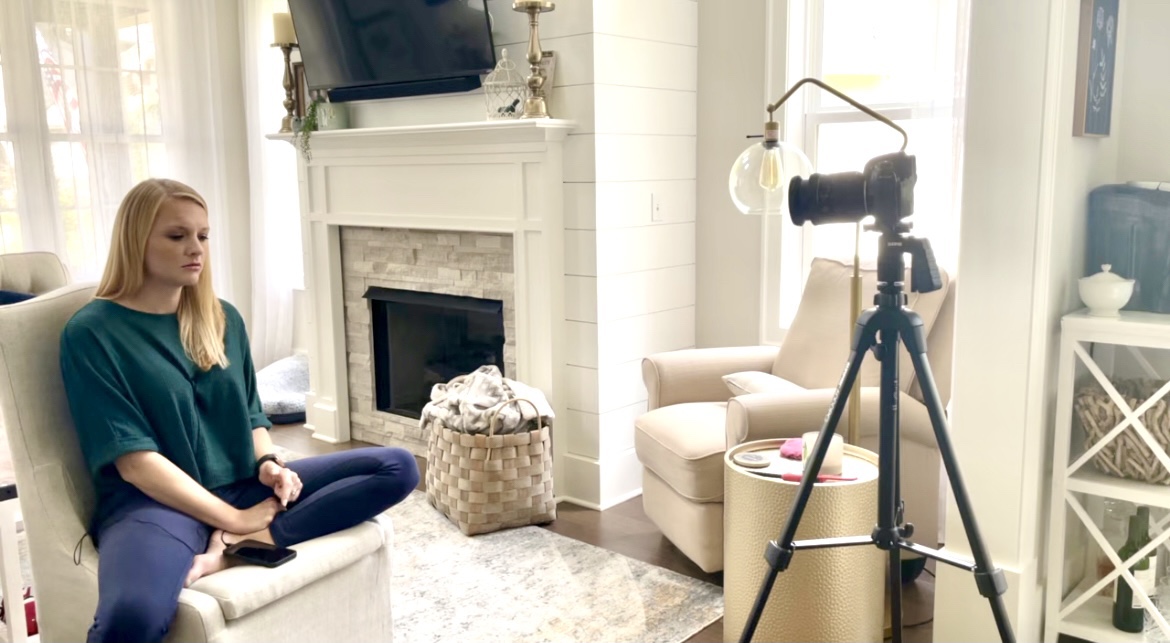
    As you might imagine, much of the story surrounding this year’s ASTRO began well before we arrived in Chicago. It started early September as I sat on our front porch and scribbled down an outline for the video we would create of my story with cancer. Where do I even start? What’s the message? Who’s my audience and how will what I say (or don’t say) affect them? How do I structure everything so that anyone, especially busy radiation oncologists, would take the time to watch or care to watch? What is it about my story that makes it interesting? (My answer there was “nothing,” but I had already committed so I had to find something). I had a lot to think about before I put the first person in front of a camera.

    I lined up all the interviews with those that I knew held pieces to the story that I couldn’t tell myself, and I prepared a list of questions for each interview to hopefully capture those pieces effectively. Everything seemed to be going seamlessly, and I was pumped for how it all might turn out. And then it was my turn. It was time to mentally walk through every single, tiny detail and moment of the most traumatic experience of my life that I had worked so hard to heal from. What on earth was I thinking when I said yes to that?

    As I sat in the chair and faced the lens, chills ran down my spine. My neck got hot and slimy and the stabbing ache of immense fear flooded my body. I immediately jumped up and walked to the other room. Nope. Not happening. Not today.

    This happened at least 3 times before I finally sat there and said something out loud, and even then, I sputtered around a while as K.T. tried to calm my nerves and ease me into some content. I had to focus on the outcome. I had to focus on the potential for someone to have better patient care through their cancer treatment because their physician heard what a patient feels and experiences on the mental and emotional side of things and be more sensitive to that. Finally, something meaningful came out.

    The days of treatment and the initial year or two that followed are scary and embarrassing on so many levels and honestly days that I’ve worked hard to heal from and sort of forget. But there was something about hearing myself relive the fear and how I’ve processed various other crippling emotions that showed me how far I’ve come and how hard it really was. (I’ve never really admitted that. I’ve always just shrugged it off as something that happened and something we had no choice but to get through, but dang it was hard).

    K.T. and I spent the following nights combing through over 6 hours of recorded content, learning how to use Premiere Pro, trimming possible phrases we wanted to keep, syncing audio, and piecing everything together in some sort of logically compelling manner. The Powells saw 3am more times in those two weeks than we have in nearly seven years of marriage and we literally almost killed each other due to exhaustion and drastically different ways of thinking. But we made it, and I have to say that I’m really, really proud of what we came up with. Now, to pray that it reaches the right people. (Click here to view)


    Ok, Yale. Back to Yale.

    Patient safety is one of those things that patients probably consider at some point in their treatment experience, however that consideration is likely passing and somewhat subconscious. But feeling safe under the care of our chosen physician is what establishes trust and what encourages us to keep pushing towards the finish line of treatment. We trust that what our doctors are doing is making a difference in our health.

    When I first read through the panel ideas from Dr. Evans, I wondered how on earth I was going to provide any insight on patient safety. But as we all met and prepared for our session and went through case after case of missed or unorganized communication, I caught myself putting myself back in those patient shoes again and saying “but wait a minute, the patient probably heard that completely different. Of course, they’re panicking..” or “that’s probably a misunderstanding of what’s actually going on behind the scenes. They just need a bit more explanation.”

    What we see as patients is how our care team communicates with one another, how information is transferred around from one sector of our care to another. We want to see that our care team is “boots on the ground”, trained, educated, and ready to fight every battle alongside us. We hear the information being communicated to us, and we hang on every word about our disease and treatment (because our life depends on it) , and we also have a unique ability to tell when something is off. And what is important to note is that all of these things affect our experience in some capacity. We know that communication errors WILL happen. But it’s how things are handled when those things happen that make a difference in how they’re perceived.

    Thankfully the incredibly insightful Dr. Sue Evans and Dr. Sheri Weintraub had the foresight to expose some of these common communication hang-ups in the form of an ASTRO panel and enlisted a variety of voices to speak on how these hang-ups can be caught before they happen, diffused if they do, and how this might affect the patient overall.

    We had 10 total cases to present from one of the following categories:

    • Intradepartmental – between members of the same clinic (nurses, radiation oncologists, therapists, etc.)
    • Interdepartmental – between members of clinics that work together (medical oncology, radiation oncology, surgery, etc.)
    • Patient communication error – between the patient and members of their clinical care team
    • Communication with disruptive patients – when patients become hard to deal with, threatening, or angry

    We spent months reading through RO-ILS cases, discussing the implications of the safety errors in them, and choosing what would resonate with the largest amount of people. It was my job to step back into the shoes of a patient and think critically about how the situation or language used by my care team might have affected my trust, my experience, my doubts and fears, and my comfort level…and share that. And what an honor that was. These are the kinds of moments that remind me that going through radiation treatment at a young age with a sound mind has purpose. It has a voice, and it has opportunity.

    L-R: Bill Salter, Ph.D, me, Bisham Chera, M.D., Sheri Weintraub, Ph.D. Sue Evans, M.D., and Jeff Olsen, M.D. via zoom

    It still takes me several reads and various other methods of verification to comprehend that my voice has a place on any kind of stage, much less one relating to radiation oncology patient care. But as long as people keep handing me the microphone, I will keep facing fears and retracing moments of grief for the sake of the future cancer patients….because it heals me too.

    Every single moment of preparation and thought that went in to completing my duties at ASTRO ’21 was challenging. Things came at us out of nowhere that could have held us back and kept us home. I may be the only patient advocate that flew to a conference with my treatment side ear feeling almost just like it did at the end of treatment 4 years prior thanks to some very dry and stubborn caked on earwax covering my eardrum that ENT couldn’t get loose and a monster bug that stung my ear and swelled it up 3x its normal size. But dangit, I was getting on that plane. Thirteen hour travel day to Chicago? No big deal. We made it safely. I’ll save the rest of the drama, but you get the point.

    The ASTRO conference and organization has been a steady stream of support and encouragement since my dear friend Jeff White found this article from 2018 and then my blog. To have been invited to an event of this size not once, but twice, still blows my mind. When I first attended in 2019, I was so incredibly intimidated and terrified to be in any of the presentation rooms by myself. No way I looked like a radiation oncologist. I felt so out of place, and just knew people were wondering what this little blonde girl from Alabama was doing here (and wearing heels…rookie). I almost immediately questioned why I had decided to launch myself into cancer world again like that. Why had I agreed to listen to presentation after presentation and clinical data about the exact treatment that defined the darkest and hardest days of my life. But the answer was I had a job to do. I had to give my patient perspective (which was pretty fresh at that point at just 2yrs post treatment) and I had promised to do it well.

    As I landed in Chicago this year (this time with my hubs beside me) the same questions started to plague my mind. “What do you think you’re doing here? Why do you think your perspective matters over anyone else? Don’t you think that weird familiar discomfort your feeling in your ear could be another tumor? It’s probably been long enough for something to start growing back, right?”

    But again. I had a job to do, and I wanted to do it well. I needed to do it well for the patients.

    I don’t take these events lightly. They are pivotal moments in my journey, my healing, my identity, my confidence, and my humility. They bring be back to the sobering reality that I had cancer and there’s a lot of life left I want to live. They help me reflect back on my experience and see the progress in the field and find joy that things are improving for current and future patients. They remind me of the purpose my survival and current health has and the beauty of all the friends and radonc family that unfortunate circumstances have given me. And while so many emotions resurface, events like ASTRO give me hope while chipping off bit by bit of the fear and internal distress cancer has caused. There’s something freeing about telling people about the internal struggle that many hide very well, and them listening with a helpful heart. It makes it all feel a bit more normal when cancer feels anything but normal.

    Huge thank you to all of those that have believed in me and trusted that what I have to say is relevant. You have given me courage. Thank you to those who have empowered me to speak and invited me to be a part of something far bigger than myself. You have given me strength to keep advocating when I feel like that road may be ending. Thank you to those who have listened with care and worked to understand the heart and not just the body of a patient. You give me the peace of feeling understood. And thank you to those who have loved and supported me through it all. You give


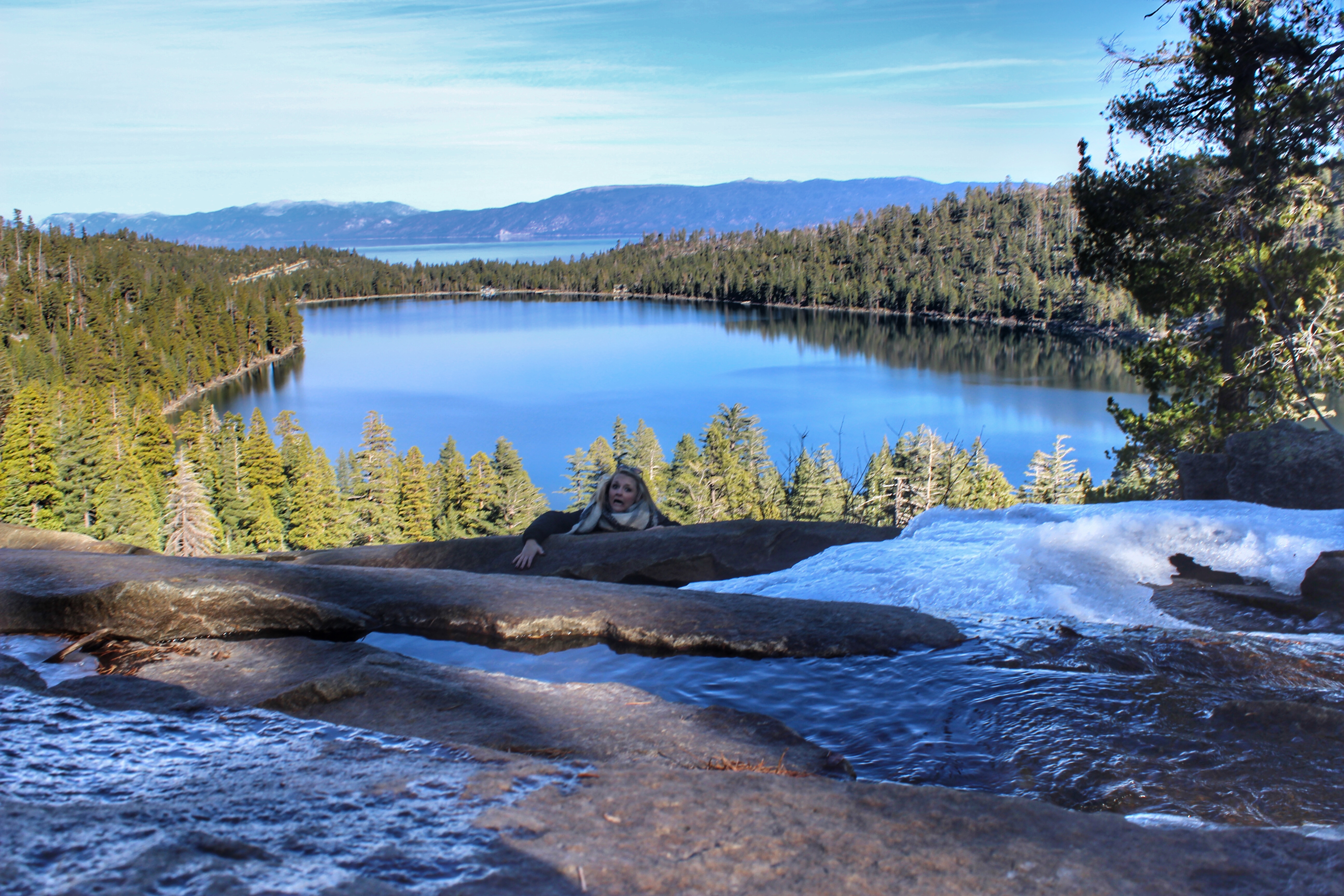
    Please enjoy these scenic pics from our short outings in Chicago!

  • Facing Fear

    Facing Fear

    My heart in this blog and my journey has always been to provide perspective and to be able to share the real and honest truth about what it’s like to travel these treacherous roads, both physically and emotionally. Since treatment ended, I have been busy growing a list of posts that I plan to write, each to fall into the Radiation Education category to address some of the common questions I’ve been asked along the way.

    When I look back at what I’ve gone through and what potentially lies ahead, I generally have two emotions…fear or overwhelming peace that it happened and will happen exactly like it was supposed to. These are two emotions that typically fight each other, but the best part of that is that they can’t exist at the same time. I’m either one or the other, and that’s usually a good read on where I’m at spiritually and mentally.

    This journey has caused me to face parts of life that I honestly wasn’t ready to (like mortality), and it’s placed me toe-to-toe with the very realistic fear of recurrence that nearly every cancer patient faces at one point or another. But there’s also the fear of failing, the fear of my body failing me, the fear of rejection, the fear of putting my writing out there, the fear of not ever feeling like myself again, the fear of not being able to have children, the fear of not accomplishing what I’ve set out to do, and the fear of leaving this earth and my family too soon.

    The list doesn’t end there, but in facing many versions of fear so far, I’ve learned ways to cope and it’s important to me to share a few of those things that I feel have helped me:

    • Prayer and Scripture

    At the root of every single fear and moment of mental and emotional weakness, lies a common denominator that has taken me a very long time to figure out. Trust. So, is it safe to say that if I have a long list of fears then I have trust issues? Ouch.

    Growing up in and around church (and in the Bible belt), you hear your whole life about how the bible says “do not fear” no fewer than a zillion times. I can honestly say that at 28, I hadn’t really met anything in life yet where immense fear was my emotion. But let me tell you, when your health fails you in a way you never saw coming, you find every last one of those times in the bible the Lord instructs us not to fear. But if you’re stubborn like me, you still need more. Three words don’t fix internal chaos and panic quite that easily.

    So I prayed. I begged desperately for peace in my heart and for the Lord to restore my health back to some sort of functioning state so many days. And I get that prayer feels super weird for some folks (especially praying out loud), but I’ve personally found comfort in taking the fears I’ve felt to the Lord and letting Him carry that burden while TRUSTING (there’s that word again) that He’s got it worked out for my good. Also that He sees the bigger picture, the whys, and the why nots, and He’s leading me exactly where I’m supposed to be. Ultimately He is faithful, merciful, and most of all He understands, so when He says “do not fear,” He backs that up with His character and that is what eventually calms the chaos.

    • Battlefield of the Mind by Joyce Meyer

    I bought this book years ago, read a few pages, and put it down. Not because I didn’t like it, but because it wasn’t speaking to me at that time in my life. I lost interest. But I picked it up again recently and holy smokes, it blew my mind and wrecked my heart.

    There’s a section in there where Joyce talks about feeling the urge to know the “whys” of the things that happen. She goes on to explain the exact process of thoughts I typically have when something uncomfortable or undesirable happens. The rehashing and the wishing I could do it over and the simply trying to understand. That’s not so much to ask, right?

    Not exactly. A few paragraphs down Joyce flips the script and explains how trying to figure out the why by ourselves and reasoning with the Lord about various matters is the same as playing God (because knowing all and being God is His job. Not mine).

    I was at the beach last year when I read that, and it socked me right in the gut. I was days before scans and I was in a state no one should exist in on a regular basis. All of a sudden it made sense why I had always felt even more lost in trying to find what I thought was truth and what I thought would help me feel better. Spinning in circles to figure out the why creates confusion which is not what the Lord has for us so I was basically chasing the enticement of the devil. Ouch again.

    This book teaches you to train your thoughts for peace and how to take control of the thoughts that are toxic to your mind and general well-being. Definitely worth the read while swimming in scary seas.

    • Stay off the Internet

    I’m a huge proponent of this one! In this crazy connected world we live in, it’s all too easy to grab your phone when something ails you and search for the answer to what it might be. But Google has the magical powers of taking you from headache to probably taking your last breath in a matter of 3 clicks.

    Yes, there are informative sites out there and credible ones, too, but the truth of the matter is that every single case is different. And just because you have a few of the symptoms listed doesn’t mean that’s what you have. Two people can walk into a doctor’s office with the same symptoms and walk out with two different diagnoses. Doctors go through years of schooling and training for a reason and those years are not to be invalidated by your excessive and aggressive googling. (Side note: Choosing a doctor you trust is important too)

    • Talking to other positive/faith-filled survivors

    There is no one on earth that can truly understand what you’ve gone through and what you’re going through more than another survivor. They’ve likely had similar thoughts, similar aches and pains, and similar fears. Yes, your caretakers have been there with you every step of the way and they too have a very unique perspective on things, but even that’s different than a survivor connecting with another survivor.

    Visit a few support groups in your community or talk to someone in the waiting room at your follow-ups. I know that sounds super scary for my fellow introverts, but trust me on this one. Find a few friends you can talk to about what you’re going through in a reasonable and positive light. Don’t focus on your complaints, but share in the feelings and thoughts you have and then encourage each other to better your lives in some way.

    Attitude is so, so important for cancer patients and survivors and so is community, so find your people and be intentional with staying in touch and checking on them. Don’t wait on them to check on you!

    • Keeping yourself busy

    This one goes hand-in-hand with attitude. I’ve learned that the busier I stay, the less I have time to let my mind wander about what already happened or what might happen in the future. I may be worn out tired all the time and barely have time to eat and sleep, but let me tell you…that feels a lot better than the anxious nausea and sweat I experience when I let my mind go full tornado on me. For most, it will be a balance. You will need both times of running around busy and times of rest, but the key is to not let yourself become an isolated couch potato. This life is far too beautiful and people are innately relational beings, so as one of my favorites Amos Lee sings, “let your little light shine!” (Here’s the song)

    This journey is by far the hardest thing I’ve personally dealt with. I have a hard time believing I was diagnosed with cancer at 28, for it just to be “something that happened” and for me to never speak of it again like it was equal to a bout of spring allergies or something. But hard times bring big blessings sometimes. Trust the process and get after that fear. It doesn’t belong here!

  • Onward and Upward

    Onward and Upward

    At each phase of this journey, I have had to remind myself to look back at where I’ve been so I can better focus on where I’m headed. Glanda has been known to say “onward and upward,” and that makes a polite nod to the fact that you’re coming from somewhere and you have greater places to go.

    As I left work down the long treatment hallway on Tuesday night, I stopped and peered into the vault where I was treated just a year and a half ago. On a normal day, I don’t dare stop, but instead walk as fast as I can down that hallway to ignore the usual treatment noises and bustling that happens around that area. But tonight, the Varian Truebeam STx sat there quietly “sleeping” and looked so peaceful that it struck me some kind of way and I had to stop and stare.

    What? Am I crazy for personifying the radiation treatment machine that made my skin look like the walking dead? Probably, but the longer I move away from the hardest days of my life into days where the fruits are starting to grow from the seeds of faith that were planted then, the more I begin to have a strange fondness for the things that healed me and helped me along. And the machine is just one of those things.

    I’ve honestly gone through a period of time lately where I didn’t know if I still had purpose in the UAB Department of Radiation Oncology. I wasn’t clear on whether it was time for me to move on or not, and I definitely wasn’t clear on if it was time, then what would that even look like? Have I been here long enough that my story doesn’t resonate with anyone anymore? Is my story too specific that it doesn’t reach enough of our patient population to matter? Am I done here trying to make an impact on our sweet patients that have come behind me and face the same kind of hard days of knowing yet another treatment was coming?

    The short answer to that is no, and it’s moments like Tuesday night that remind me of that. This place is without a doubt the place that broke me and put me back together, but now that those things are long gone, it’s what I GET to do.

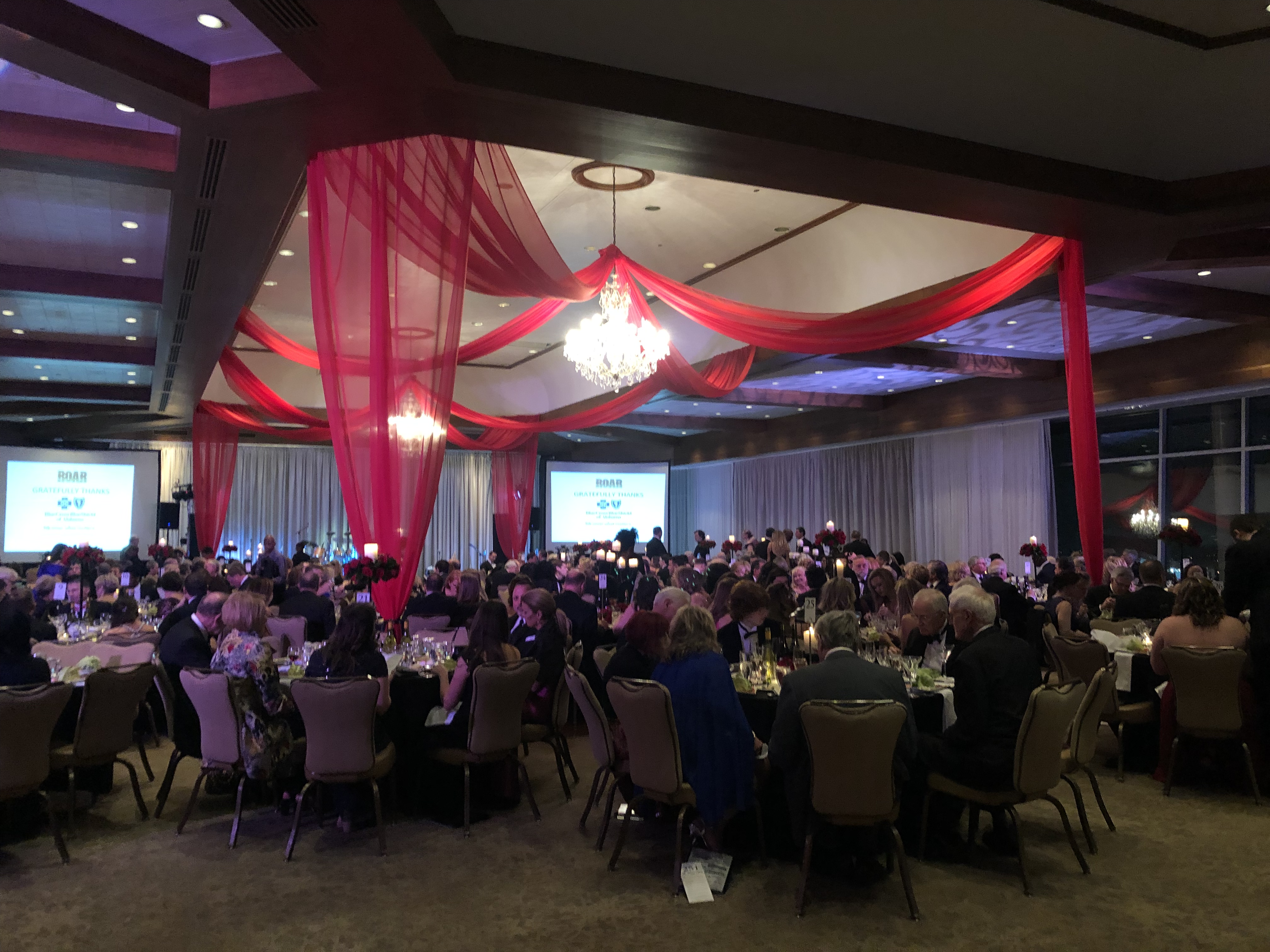
    Last weekend, I got to go to my 2nd annual ROAR gala (as a volunteer) where hundreds of people gathered in formal attire to raise money for cancer research in the Department of Radiation Oncology through a silent auction as well as a live auction. Last year, I was 3 months out from treatment, quite emotional watching the whole thing go down as a survivor (don’t worry, I wasn’t crying in public) and my arms had just recently started losing sensation. This year, I walked in proudly and excited (also awkwardly by myself since K.T. was out of town) to see all that would be done financially in honor of those that will need radiation treatment in the future. The numbers aren’t in yet, but a Maserati was auctioned off…it’s A LOT.

    Last year on the left and this year on the right

    In a few short weeks, I will be transitioning out of Regulatory Compliance for clinical trials into a role much more suited to my skills. A chance to create publications for our department, a chance to plan departmental events, and a chance to improve the educational documents that our patients receive before, during, and after treatment among other things.

    In the same few weeks, a podcast I recorded with Rad-Cast in February will air where I get to talk about my experience as a patient, how my job/coworkers influenced that, and how faith guided me along the way.

    And in another few weeks, I get to sit on a panel with other head and neck survivors and speak to an audience of other head and neck survivors about facing fear and overcoming the struggles that come with cancer.

    And ALL of these things are things that fell in my lap because of what I’ve been through. People still look at me like I’m insane when I say that “cancer has been my biggest blessing,” as they probably should, but, y’all look at God! I surely didn’t do any of this on my own and without cancer, none of these things (including moments to stare at that terrifying STx machine) would have been part of my life. Do I want to do it again? HECK. NO. But most of the time, I’m kind of glad I did. (That still makes me a little nauseous to say.)

    So with my bit of reflection from the other night, I thought now would be a good time to share a little visual journey of where I’ve been so I (we) can continue to focus on where we’re going!

    Onward and upward!

  • 1 year, 1 month, 9 days

    1 year, 1 month, 9 days

    Scan time has come and gone again. The time that is somehow capable of sending me into an oblivion of fear and unwanted thoughts that swish and swirl around in my mind until I feel like I’m trapped beneath the surface of the sea, drowning. And I know better than to let that happen. I know that the devil is going to use any and all tactics to invade my thoughts with fear and doubt, but y’all…I’ve still let it happen every time. Some times it’s a week before scan day and sometimes its just a few days before, but I’ve yet to show up to an MRI so far (and I’ve had 4 sets) without spending some amount of time losing my mind over the what ifs.

    As with most things along the cancer/survivor journey, it’s hard to explain quite what scanxiety feels like enough for someone on the outside looking in to fully understand, but if you ask anyone that’s faced diagnostic or follow-up scans, they’ll all tell you the same. 

    This time always brings me back to reflection and feeling overwhelmed at the love, blessing, and support I’ve been afforded. From getting the job at UAB Radiation Oncology (with an English degree) to feeling the internal urgency to get Glanda checked on again after 7 years of undertermined scans, to having the strange instinct to ask one of our doctors to take a second look at my scans (Thank you, Lord), to having a completely benign diagnosis going into surgery, and then being able to be treated in my own department and able to work each and every day to some capacity all the way through treatment. And that’s truly only the tip of the iceberg. Blessings starting happening YEARS before any of this ever came about. But those seemingly normal events have been revealed as preparatory events that led me this exact moment. The Lord is so good!

    This time around, we’re roughly 1 year, 1 month, and 9 days post-treatment. An MRI soft tissue of the head and neck was ordered per usual accompanied by an appointment with my radiation oncologist. Except things ended up being slightly backwards due to insurance complications. Typically I have scans at 7am followed immediately by my appointment where I find out if I’m still NED. But this time I had my appointment (physical exam) on Wednesday and my scans on Thursday morning at 7am…which means I had much longer to wait to find out if my scans were clear or not. Not to mention, at the time of my appointment we had yet to convince insurance that an MRI was necessary for my care.

    I went home Thursday evening with no news and a foul attitude. By noon on Friday, I still hadn’t heard a peep about anything and my thoughts were starting to overtake me again. It NEVER takes that long to read the report. Ever. Were they trying to figure out how to tell me it was back? Were they unsure of what they were seeing? Were they seeing something totally new?

    The radiologist had seen something. Something between C5 and C7.

    I swallowed hard and continued to listen as my radiation oncolgist continued to explain what her impression was…underwhelmed. She didn’t see anything, except the inflammation in my spinal cord that we’ve known about for some time now, but she wanted specific confirmation from a specific radiologist who was out of town last week. 

    As we continue to wait for final confirmation, we are resting in the fact that no one saw anything scary on my scans, even though there was the mention of “something.” And we are choosing to believe that that news is going to hold. Until then, life shall march on…onward and upward.

  • The Cancer Never Leaves

    The Cancer Never Leaves

    I read an article yesterday on surviving suvivorship, and it struck a chord in me…several actually. The title grabbed me because of the notion that survivorship might not be the walk in the park that it seems to have the reputation for. The article is a short interview with a woman, a mental health counselor, that has fought cancer and her perspective navigating life after cancer.

    I’ve thought about what it means to be a survivor so many days since diagnosis, and wondered if I would ever forget about cancer. The short answer is “no” but it’s way more complicated than a simple no. I’ve thought about if I even wanted to be labeled a “survivor.” Maybe I just wanted to be Valerie, or maybe I just wanted to live like normal. But the facts are different. When you have cancer and you make it past the moment they confirm your diagnosis, the label “survivor” gets smacked to your forehead with superglue. Can’t. Take. It off.

    Cancer never leaves you. It comes unwelcomed, it’s treated (cured in some cases) and then you spend the rest of your days and years thinking about it. It never leaves. It never goes home. Never goes back where it came from. It settles in, and it’s content to invade the privacy of your mind each day.

    I think the perception that once you hit that sought after stage of “remission” or once you finish treatment that people assume you’re good. The expectation is often that you’ll bounce back to whatever normal used to be and keep going like nothing ever happened. So in an effort to change the perspective and echo and add on to what Ms. Barbara Abernathy stated so well, here are a few things I wish I could tell you.

    1) The “Chronic disease” Barbara refers to is fear and residual symptoms

    It’s not unusual for folks diagnosed with cancer to come out on the “cured” side with more symptoms than they had going into treatment. Don’t for a minute think that the vices used to straight-up kill cancer aren’t going to affect the rest of you, too. I will be the first to tell you that surgery and radiation cured me, but at 9 months out I’m facing daily symptoms that may be with me forever because of those treatments I chose to have. And I would do it all over again.

    Barbara talks about the 80 lb backpack she puts on each day in her article,  and I envision that backpack filled to the brim with symptoms, thoughts, emotions, burdens we feel like we’re placing on others, and just the weight of knowing what we have to do mentally and physically to get through the day. Some people’s backpacks weigh more than others and some days we get to put the backpack down a few times during the day, but it goes home with us regardless.

    So be gracious when some days seem harder than others and you try to remind us we’re survivors. We may have survived all the days before, but today we’re still working on it. I can be fine one day, and really need to talk out my thoughts and feelings the next day (or even hour). And it’s not all bad, but it is indeed a pilgrimage, a journey, and adventure, and a process.

    2) Listen and ask questions.

    We know you don’t want to. We know it’s hard to hear about what your loved one or friend is dealing with. And we know it’s hard to think about the day we might not survive anymore. We get it. But we need to talk about those things too.

    Cancer has blown the doors wide open in medical research and treatment options, but in social and personal situations it still seems somewhat taboo. The conversations rarely get past, “How ya doing? Ya good?” and from our side of the fence, there’s a decent chance that we need to talk but don’t know how much you can handle or even care to hear about. And we certainly don’t want to burden you with our issues so we smile and say we’re good and talk about how blessed we are to still be alive and well despite the struggles.

    We typically know our people we can talk to but sometimes it’s nice for someone to surprise us and say “How are you really feeling? Are you dealing with anything in particular right now? What’s your scariest thought you live with?” Those moments mean so much. Promise. And the answers will surely be something you don’t expect. But just as we’re learning a new life after cancer, it gives you the opportunity to peer deeper into our lives and maybe shed some light, prayer, or a simple truth with us about what we’re dealing with. Just don’t give us the “oh, but you’re a survivor” talk. Surviving is still hard!

    3) Cancer makes you grow up…FAST!

    This is a heavy one (if cancer isn’t heavy enough already). I will never forget the moment I realized I was, in fact, mortal after they told me Glanda had cancer in her. As silly as that sounds, the thought never crossed my mind before then and up until that point I was living life with no expectation of death, harm, disease, health concerns, etc. Nothing. I was fat, dumb, and happy for lack of a better saying. But when I started processing what it meant that my body had produced cancer cells, all I could focus on for a while was that I was going to die and it very well could be from cancer. Reality hadn’t changed from the moment before. Not to be too morbid, but dying was always a possibility, but it was never one I ever seriously considered. I was always going to (and probably still will) live until I’m old and wrinkly with my grandkiddos running circles around me.

    Cancer matured me. It made me think about reality in a different and uncomfortable way, but let me tell you, I enjoy the simple, dumb stuff so much more these days. I have no shame in acting ridiculous in public, dancing when the groove hits me, singing out of tune, sharing what makes me happy, writing whats on my heart, and loving my people hard as heck even when it’s annoying. Don’t care. Because life is temporary folks, and this is the only one I’ve got.

    So don’t shame people who have walked this journey for being bold. Don’t be embarrassed by my shenanigans (unless they’re offensive, and then please tell me). But join in sometime. Share in the crazy. Let loose a little. It’s actually kind of fun. You only live once. Yeah, I said it.

    Cancer is truly just one of those things that you don’t understand unless you’ve walked it yourself and even then, each person has a different experience. But I so want to bridge the gap and start to eliminate the social awkwardness that seemingly surrounds us “survivors” as we’re named. I cant help but believe that it would help us live and not just survive our survivorship.